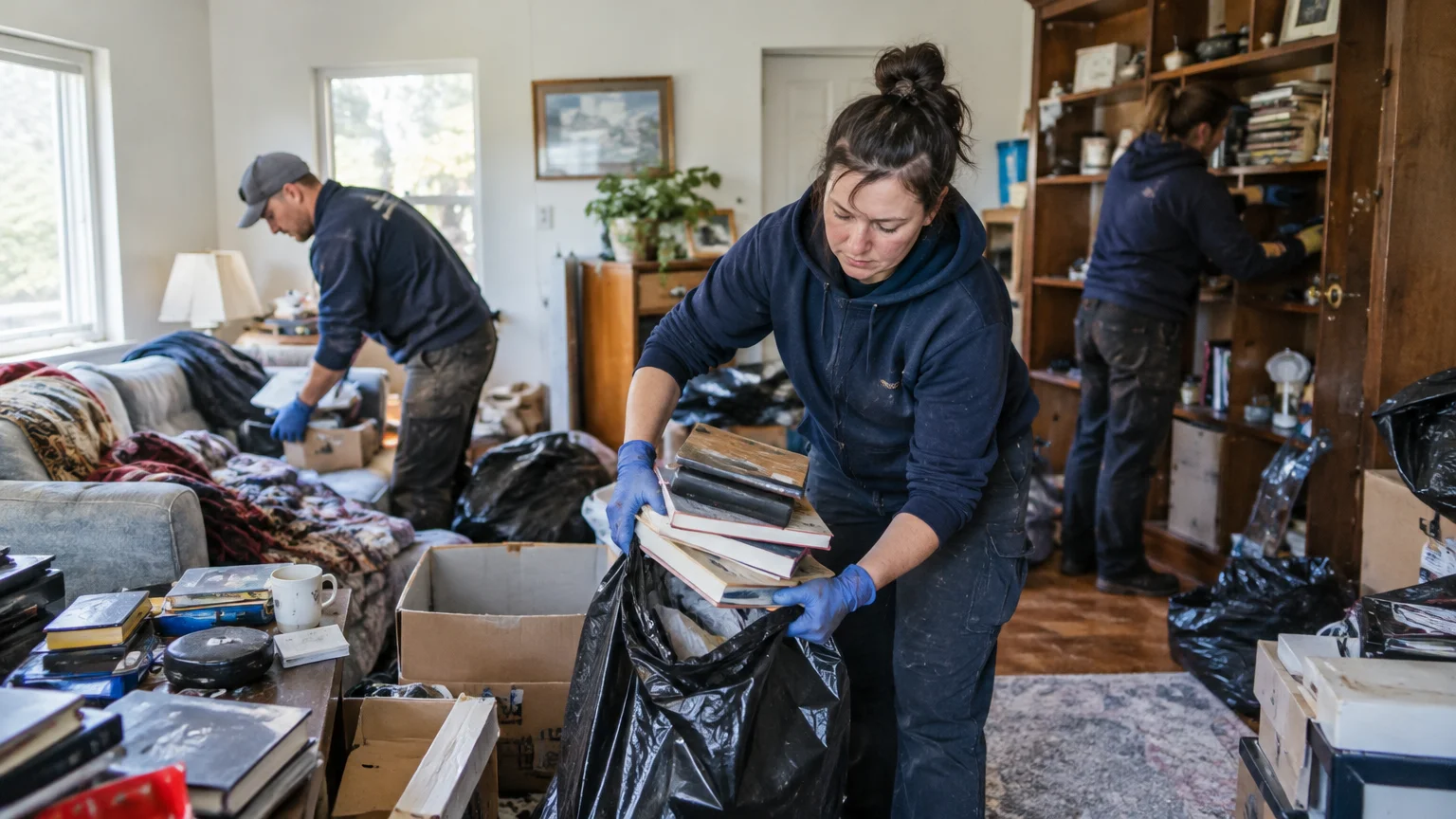
A professional hoarding cleanup service can help when clutter blocks rooms, creates safety risks, or feels too hard to manage. The right team uses clear steps and treats everyone with care. Wake Forest NC Junk Removal can help property owners plan a safer cleanup without rushing choices or removing items without approval.
What are the first signs that a hoarding situation needs professional help?
A home may need help when daily life becomes hard or unsafe. Early signs can include rooms that no longer work as they should, strong odors, pests, or sanitation concerns. These problems may grow slowly, so early support can help prevent more damage.
Sign 1: Essential rooms and walkways are no longer usable
When clutter covers floors, beds, counters, or doorways, the home becomes harder to use. A kitchen may not have a safe place to prepare food. A bathroom may be hard to reach, while a bedroom may become storage space.
A few crowded shelves do not always require professional help. A homeowner may sort a small area, clean surfaces, and donate unwanted items alone. Help becomes more important when clutter fills many rooms or makes normal movement hard.
A professional hoarding cleanup service can break the work into smaller steps. The team can clear paths, remove approved items, and keep needed belongings together. This may feel easier than trying to empty the whole home at once.
Sign 2: Clutter is creating sanitation, pest, or odor concerns
Strong odors, spoiled food, animal waste, insects, rodents, or damp materials need prompt attention. These problems may affect the air and spread beyond the home. Paper, soft items, and waste can hold moisture and make cleaning harder.
Simple cleaning may be safe when there are no signs of contamination. However, no one should handle unknown waste, sharp objects, mold, chemicals, or animal waste without proper training and protective gear. A cleanup team can point out items that need special handling and explain when another specialist is needed.
The goal is not to shame anyone. Hoarding may involve stress, grief, health concerns, or strong ties to belongings. Calm words and clear choices help protect trust while the property becomes safer and easier to use.
When does clutter become a safety hazard in the home?
Clutter becomes a safety hazard when it blocks escape routes, hides damage, or raises the chance of falls and fire. A home does not need to look full for danger to exist. Narrow paths, weak stacks, and blocked equipment can create serious risks for residents, visitors, and first responders.
Sign 3: Exits, stairs, or electrical systems are blocked
Blocked doors, stairs, hallways, windows, and emergency exits need quick attention. Someone may trip while walking around piles. Items near heaters, outlets, panels, or appliances can also add risk. Heavy stacks may fall when someone moves an item from the bottom.
Residents can clear a small path when items are light, stable, and free from hazards. They should stop if a pile shifts, the floor feels weak, or an item may contain chemicals, needles, pests, or broken glass. Safety matters more than finishing one room in one day.
A professional team can plan removal from the safest access point. It may separate furniture, appliances, bags, boxes, and loose debris. Questions about appliances and disposal can be handled during planning. The right method depends on the item, its condition, and local rules.
Sign 4: Structural damage, mold, or other hazards may be hidden
Large piles can hide wet floors, damaged walls, leaks, mold, pests, or weak surfaces. They may cover vents, plumbing access, or signs of roof and foundation trouble. These issues can stay hidden until the clutter moves.
A cleanup crew removes belongings, but it may not repair every problem. If the team finds mold, unsafe wiring, major leaks, structural damage, or hazardous waste, the owner may need a qualified trade worker or local authority. A clear plan keeps cleanup separate from repair work.
The safest process starts with a careful walk-through. The team can note areas that need protection, items that must stay, and hazards that need special care. Wake Forest NC Junk Removal can help Wake Forest homeowners understand which parts of a cleanout fit a junk removal team and which need another professional.
How can you tell when a hoarding cleanup is too difficult to manage alone?
A cleanup may be too hard to manage alone when the volume is large, choices feel overwhelming, or family members disagree. It can also be difficult when the person living there feels upset by the work. Outside help can add order while keeping that person involved.
Sign 5: The volume of belongings makes sorting and removal overwhelming
A full home, garage, basement, or storage area may hold many types of items. Sorting may include furniture, clothing, papers, appliances, electronics, food containers, and household waste. Large items may also need more than one person to move safely.
A homeowner can start with one small area and make simple groups: keep, donate, recycle, and discard. This works best when items are light and no hazards are present. It may not be safe when every room is crowded or the home has pests, odors, moisture, or blocked paths.
Professional junk removal services can help with the physical work after the owner or family approves each item. This may include hoarding junk removal, furniture removal, and whole house cleanout work. The team should explain the plan first and never take personal items without clear permission.
Sign 6: Family members cannot agree on what should happen next
Disagreements are common when belongings have emotional, family, or legal value. One person may want a quick property cleanout, while another wants more time to sort. Rushing can harm trust and may cause important items to be discarded.
A neutral plan can help. The family can choose who makes final choices, mark items that must stay, and set aside papers or valuables for review. If ownership, inheritance, or legal questions arise, an attorney or estate worker may need to guide those choices.
A cleanup service should follow the family’s agreed plan. It should not make personal choices for them. Clear labels, room-by-room work, and written approval can reduce confusion. The process should stay respectful, especially when an older adult or someone facing a major life change owns the home.
What should you expect from a professional hoarding cleanup service?
A professional hoarding cleanup service should provide a clear plan, careful removal, safe work, and kind communication. The process depends on the property, the items involved, and the people making decisions. Good service focuses on usable space, not shame or speed alone.
Sign 7: The property needs a sensitive, organized cleanup plan
A strong plan starts with a talk and a walk-through. The team should learn which areas matter most, which belongings must stay, and whether anyone has health or mobility needs. It should also note access limits, hazards, and items that may need special disposal.
The work may happen in stages. The first stage may clear exits and walkways. Later stages may address rooms, furniture, appliances, and loose debris. Sorting, loading, donation handling, and disposal should follow the owner’s instructions and local rules.
The service cannot solve every personal or health concern. Hoarding cleanup often works best with help from a mental health provider, social worker, family counselor, or another trusted professional when needed. The cleanup team handles the property while the person receives needed support.
Sign 8: The home must be restored for safe, practical use
The main goal is a home that people can use more safely. This may mean opening walkways, clearing sleeping areas, making the kitchen usable, or preparing the property for repair, sale, rental, or family use. Cleaning and repairs may still be needed after removal.
After a cleanout, the owner should check for hidden damage and arrange repairs. Simple systems for mail, donations, trash, and storage may help protect the space. These steps work best when the plan feels realistic and does not demand perfection.
Wake Forest NC Junk Removal serves property owners who need a careful path forward and nearby communities. The company handles hoarding cleanup, estate cleanout services, foreclosure cleanout work, and other property cleanouts. The first step is a clear talk about the home and its goals.
Key takeaways
- Blocked rooms, exits, stairs, and walkways are strong signs that help may be needed.
- Odors, pests, moisture, waste, and hidden damage should not be ignored.
- Small, safe areas may be handled by a homeowner, but large or risky jobs need support.
- Families should agree on what stays before anything is removed.
- A careful cleanup plan can restore safer, more useful space without shame.
Frequently Asked Questions
What is a cleanout service?
A cleanout service removes unwanted belongings, furniture, appliances, and debris from a property. In a hoarding situation, the work should include careful planning, approved sorting, safe paths, and respectful communication. The service may remove items, but repairs, mold treatment, and personal support may need other qualified professionals.
How can someone dispose of a refrigerator or other appliance?
Large appliances should not go into regular household trash unless local rules allow it. A removal team can explain the next step based on the appliance, its condition, and local disposal rules. Refrigerators may need special handling because of refrigerants and other parts. Owners should not take them apart at home.
Can a homeowner handle hoarding cleanup alone?
A homeowner may handle a small, clean area with light items and no safety concerns. Professional help is wiser when rooms, exits, stairs, or utilities are blocked. Help may also be needed when pests, mold, waste, unstable piles, heavy furniture, or family conflict make the work unsafe or too stressful.
How does a cleanup team protect personal belongings?
The team should agree on rules before work starts. Family members can mark items that must stay, create a review area, and choose who makes final decisions. Workers should pause when an item is unclear. Important papers, valuables, photographs, medications, and personal records deserve careful review before removal.
Conclusion
Needing help with a hoarding situation does not mean anyone has failed. It means the property needs a safe plan and steady support. A professional team can handle approved removal while families focus on health, trust, repairs, and the next practical step. Property owners in Wake Forest can begin by discussing the home’s needs and goals.
Contact us today to discuss a respectful cleanup plan with Wake Forest NC Junk Removal.